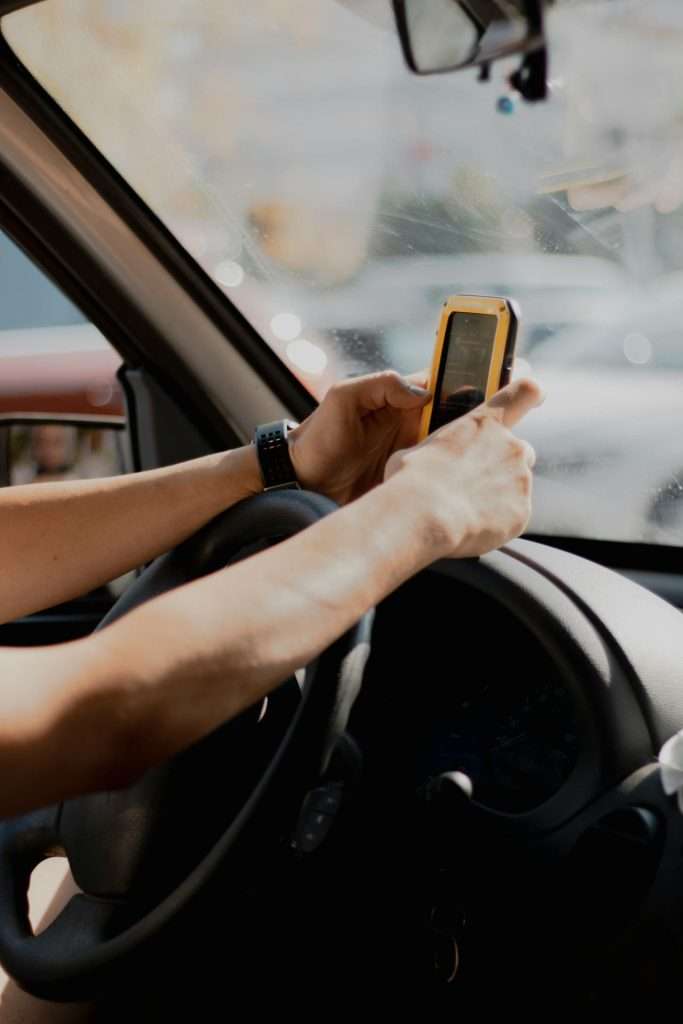
Distracted driving is a serious problem that puts everyone on the road at risk. It’s any activity that takes your attention away from the primary task of driving safely. We all know the obvious culprits like texting or talking on the phone, but distractions can be much broader than that. Think about eating, adjusting the radio, using a GPS, or even having a deep conversation with a passenger. These seemingly small things can have devastating consequences.
The Numbers Paint a Stark Picture
The statistics surrounding distracted driving are alarming. Every day, people are injured and killed in crashes caused by drivers who weren’t paying attention. It’s not just about the driver themselves; passengers, pedestrians, and cyclists are all vulnerable. When your focus isn’t on the road, your reaction time slows down significantly, making it harder to avoid accidents.
Beyond the Phone: Unexpected Distractions
While mobile phones are a major contributor, it’s important to recognize other forms of distraction. Have you ever fumbled for a dropped object, tried to manage children in the backseat, or become engrossed in roadside scenery? These moments, when your mind and eyes aren’t fully engaged in driving, are incredibly risky.
The Myth of Multitasking
We often think we’re good at multitasking, but the reality is our brains aren’t designed to effectively handle complex tasks simultaneously, especially when one of those tasks requires intense focus like driving. When you try to do two things at once behind the wheel, your attention becomes divided, and your driving performance suffers.
Creating a Distraction-Free Zone
The good news is that distracted driving is preventable. By making conscious choices, we can all contribute to safer roads. Here are a few practical tips:
- Put your phone away: Silence notifications and place your phone out of reach before you start driving. If you need to use it for navigation, program your destination before you begin your trip.
- Eat and drink before or after your drive: Avoid consuming food or beverages while you’re behind the wheel.
- Secure loose items: Make sure everything in your car is properly secured so it won’t roll around and distract you.
- Plan your route: Familiarize yourself with your destination beforehand to minimize the need to look at maps or GPS while driving.
- Pull over if needed: If you absolutely need to make a call, send a text, or attend to another task, find a safe place to pull over.
- Be mindful of your emotional state: If you’re feeling overly emotional, stressed, or tired, it can also impair your focus. Consider whether you’re in the right state to drive.
Let’s Commit to Focused Driving
Driving is a privilege and a responsibility. By choosing to drive distraction-free, we not only protect ourselves but also everyone else sharing the road. Let’s make a conscious effort to stay focused, alert, and present every time we get behind the wheel. The lives we save might just be our own, or those of our loved ones.